
Practical answers about life after limb loss, prosthetic care, rehabilitation, and getting back to the activities you love.
Adjusting to life after limb loss comes with a lot of questions. Some are practical. How will I get around? Can I drive? How do I care for my prosthesis? Others are more personal. Will I be able to return to work? What if I'm struggling emotionally? Will life ever feel normal again?
Whether you're preparing for your first prosthesis or have been using one for years, these are important questions, and you deserve answers.
At Syracuse Prosthetic & Orthotic Center (SPOC), we've helped individuals throughout Syracuse, Central New York, and Upstate New York navigate life after limb loss. From preparing for a first prosthesis to making adjustments years later, our experienced prosthetists provide personalized care designed around each patient's needs and goals.
Our Answers to Your Questions in Black and White booklet helps individuals and families navigate life after limb loss. We've brought together these topics, along with common questions about everyday prosthetic use, in this helpful guide.
1. What Should I Expect After an Amputation?
First, know that everyone's recovery looks different.
After an amputation, your body needs time to heal, and you may experience swelling, sensitivity, discomfort, or changes in how you move. Emotional adjustment can be just as significant as physical recovery.
Your healthcare team, including your physician, prosthetist, and physical or occupational therapist, will help you understand what to expect and develop a rehabilitation plan based on your needs.
Remember: Recovery isn't a race. Small improvements still count as progress, and your goals should reflect what matters most to you.
2. How Do I Prepare for My First Prosthesis?
Before fitting a prosthesis, your residual limb needs time to heal and adjust.
Your care team may recommend several steps to help prepare your body:
Managing swelling: Using a prosthetic shrinker or another prescribed compression method to help control swelling and shape the residual limb.
Reducing sensitivity: Following recommended desensitization techniques to help your residual limb become more comfortable with touch and pressure.
Building strength: Working with a physical therapist to improve strength, balance, and range of motion.
Setting goals: Identifying the activities you want to return to, from getting dressed independently to walking, working, or enjoying your favorite hobbies.
Once your physician determines you're ready, your prosthetist can begin designing a prosthesis that meets your individual needs.
3. How Is My Prosthesis Made?
Every prosthesis is designed around the person who will be using it.
The process typically begins with measurements and a plaster mold or digital scan of your residual limb. This information helps your prosthetist create a custom socket, which is the part of the prosthesis that fits around your residual limb.
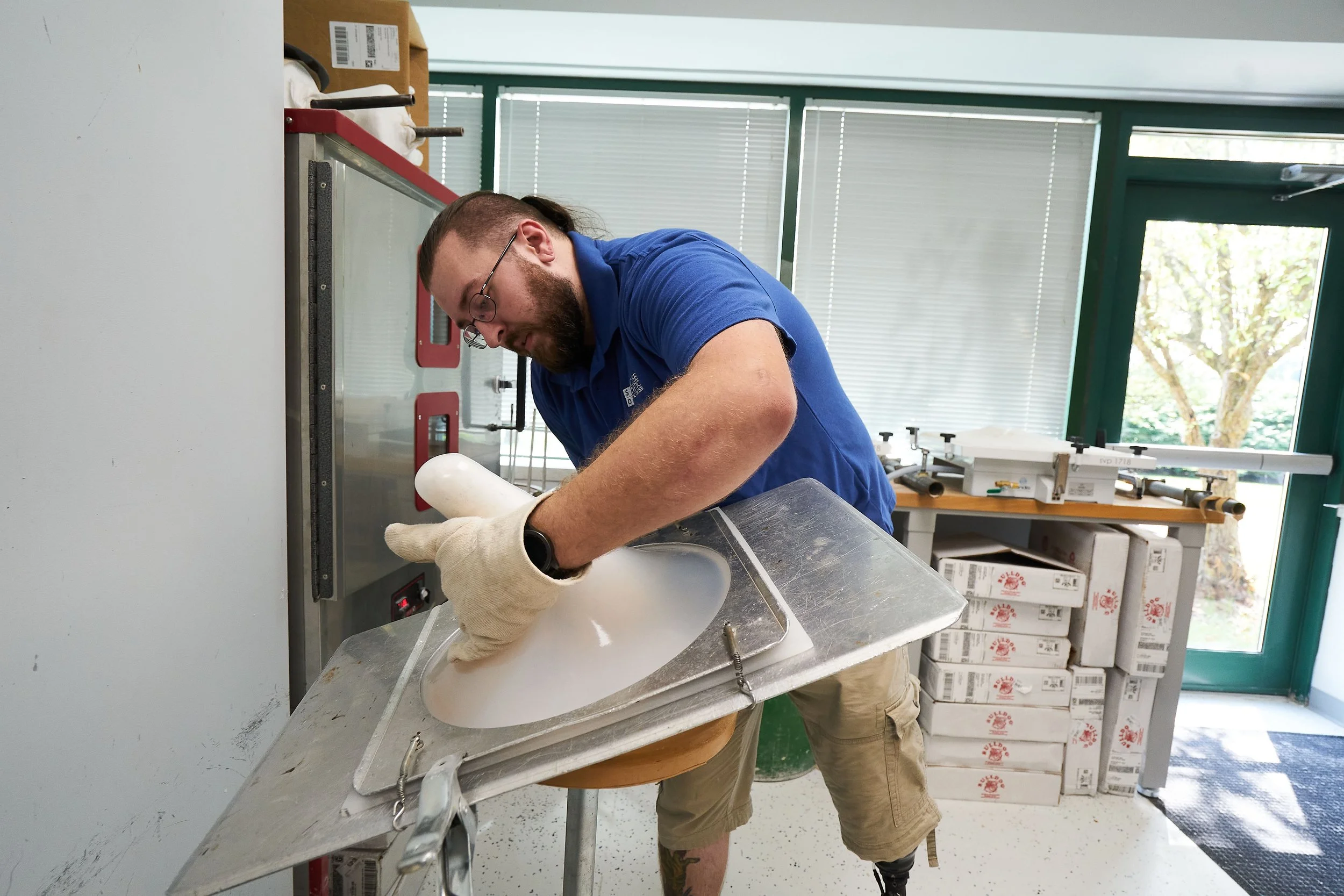
A test socket may be used to evaluate comfort, pressure points, and alignment before completing the final design.
Depending on your needs, your prosthesis may include specialized components such as a prosthetic foot, knee, or hand, along with a suspension system that helps keep the device securely in place.
Many new amputees begin with a preparatory prosthesis, which allows them to practice using the device while their residual limb continues to change in size and shape.
At SPOC, our experienced clinicians and in-house fabrication team work together to create and adjust prosthetic solutions based on each patient's needs.
4. How Long Can I Wear My Prosthesis Each Day?
There isn't one answer that works for everyone.
If you're new to wearing a prosthesis, your prosthetist will typically recommend a gradual wearing schedule. This allows your residual limb to adjust and gives you time to identify any areas of pressure or irritation.
As your comfort, strength, and experience improve, you may be able to wear your prosthesis for longer periods.
Our advice: Follow your prosthetist's recommendations and never try to push through pain. A properly fitting prosthesis should support your daily activities, not cause ongoing discomfort.
5. Can I Sleep, Shower, or Swim with My Prosthesis?
These are some of the most common questions we hear!
Sleeping: In most cases, remove your prosthesis before bed unless your healthcare team recommends otherwise. This gives your skin a break and lets you inspect your residual limb.
Showering: Most everyday prostheses are not designed for showering or submersion. Specialized shower prostheses may be available depending on your needs.
Swimming: Some individuals use waterproof or activity-specific prostheses for swimming and other water activities.
It's important to understand the difference between water-resistant and waterproof components. Always check with your prosthetist before exposing your device to water.
6. Why Does My Prosthesis Feel Different Some Days?
Your residual limb can change in size and shape throughout the day.
Activity level, temperature, fluid retention, and weight changes can affect how your prosthesis fits.
For some lower-limb prosthetic systems, adding or removing prosthetic socks can help accommodate changes in limb volume. Other systems use different methods of managing fit.
If your socket suddenly feels too tight, too loose, or uncomfortable, contact your prosthetist.
A change in fit doesn't always mean you need a new prosthesis. Sometimes an adjustment is all that's needed.
7. What Should I Do if My Prosthesis Hurts?
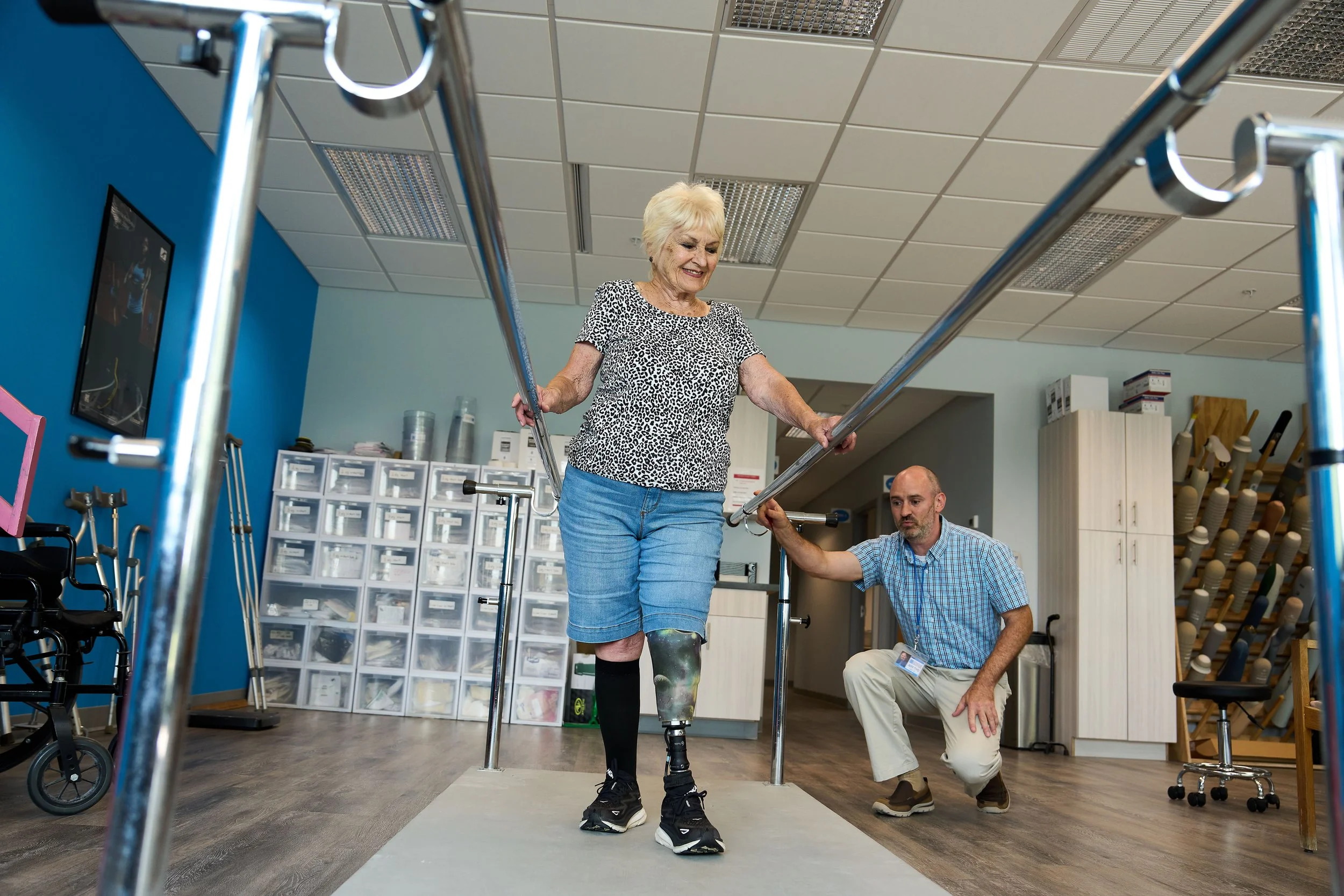
Persistent pain is not something you should ignore.
While some muscle fatigue may occur as you adjust to a new prosthesis, ongoing rubbing, pressure, or pain can indicate a problem with the socket, alignment, or another component.
Watch for:
Redness that doesn't go away
Blisters or skin breakdown
New or increasing pressure points
Changes in balance or walking
A socket that feels unusually tight or loose
If you experience these symptoms, stop wearing the prosthesis and contact your prosthetist for guidance.
At SPOC, we understand that adjustments are a normal part of prosthetic care. Your body and needs can change over time, and we're here to help address those changes.
8. How Do I Care for My Residual Limb and Prosthesis?
Daily care is one of the best ways to protect your skin and keep your prosthesis functioning properly.
A few important habits include:
Wash your residual limb daily with mild soap and lukewarm water.
Rinse thoroughly and pat your skin dry.
Inspect your skin for redness, blisters, or pressure areas.
Clean your prosthetic liners, socks, and skin-contact surfaces according to your care instructions.
Allow cleaned components to dry completely before use.
Check your prosthesis for visible wear or damage.
Avoid harsh cleaning products unless they're specifically recommended for your device.
If you notice skin breakdown or signs of infection, contact your healthcare team promptly.
9. What Are Phantom Sensations and Phantom Pain?
After an amputation, you may still feel sensations in the limb that is no longer there.
This is called phantom limb sensation, and it's a common experience after limb loss.
You might feel tingling, itching, pressure, or the sensation that your missing limb is still in place.
Phantom pain is different. It involves real pain that feels like it's coming from the missing limb. Some people describe burning, cramping, twisting, or shooting sensations.
Although the limb is no longer present, the pain is very real.
Treatment options may include physical therapy, medication, mirror therapy, and other approaches your healthcare team recommends.
If phantom pain is interfering with your sleep, comfort, or daily activities, talk with your physician or rehabilitation team.
You don't have to simply live with the pain. There may be options to help manage it.
10. Can I Drive After an Amputation?
For many individuals, returning to driving is an important step toward independence.
And yes, many people can drive after an amputation!
Whether you need vehicle modifications depends on your level of limb loss, mobility, strength, and ability to operate a vehicle safely.
Some individuals may benefit from adaptive equipment such as hand controls or a left-foot accelerator.
Before returning to driving, talk with your healthcare team about your readiness and whether you need a driving evaluation or vehicle adaptations.
The goal is to help you return to driving safely and confidently.
11. Will I Be Able to Return to Work?
Many people return to their previous jobs after an amputation, sometimes with adjustments or accommodations.
Others discover that their physical needs or career goals have changed.
Your rehabilitation team can help you assess your job's physical demands and identify potential solutions.
For someone who works in an office, returning to work may involve different considerations than someone whose job requires standing, lifting, climbing, or working outdoors.
At SPOC, we want to understand what your typical day looks like and what you hope to accomplish.
Whether your goal is returning to construction, working on the farm, or spending a full day on your feet, those details help guide your prosthetic care.
12. Can I Exercise, Play Sports, and Stay Active?
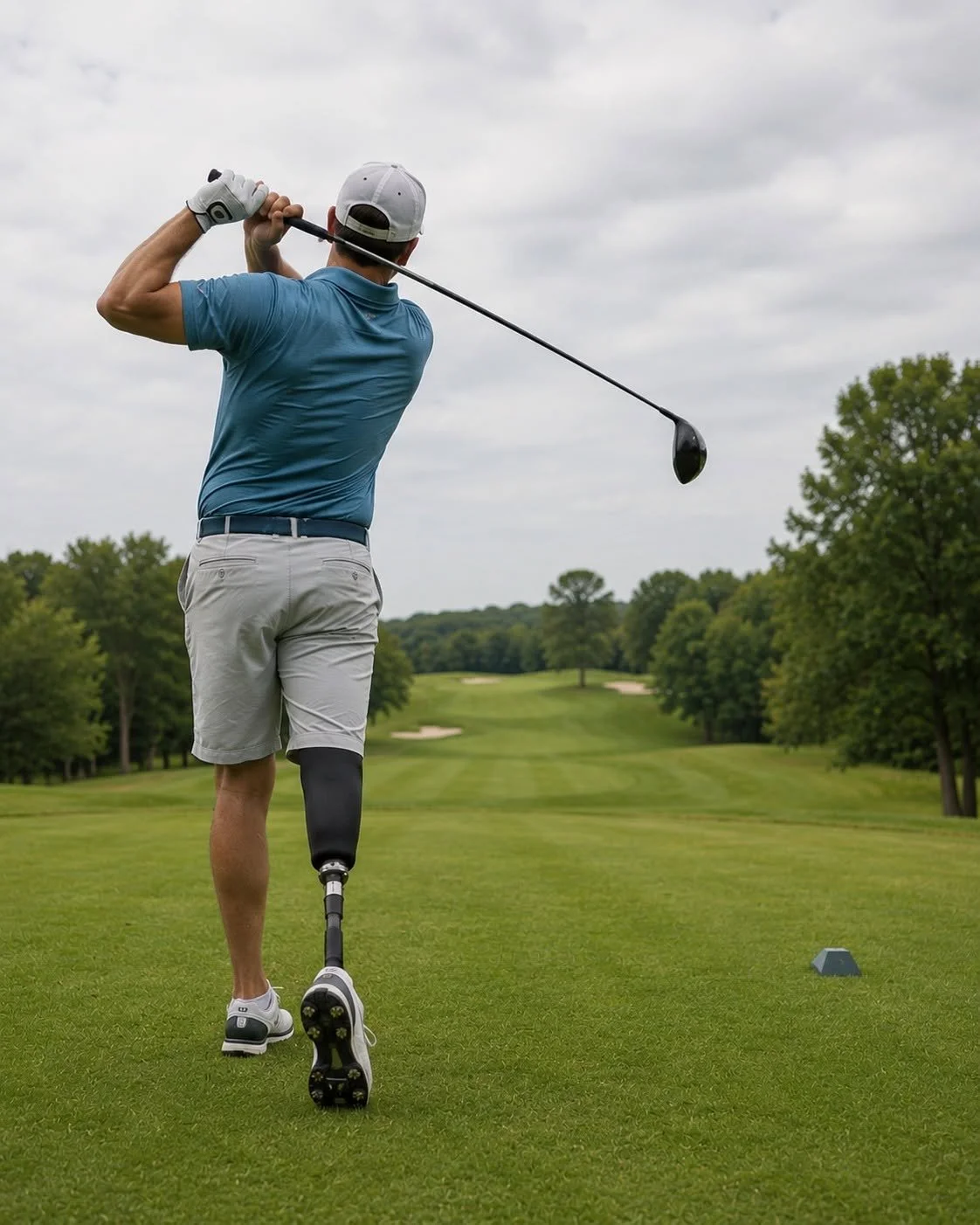
Absolutely! Limb loss doesn't necessarily mean giving up the activities you enjoy.
People living with limb loss participate in a wide variety of activities, including walking, biking, golfing, hiking, swimming, skiing, and adaptive climbing.
Some activities can be done with an everyday prosthesis, while others may require specialized components or equipment.
At SPOC, we love helping patients work toward the activities that matter most to them.
Through our Challenged Champions initiative, we've also had the opportunity to support individuals pursuing adaptive sports and recreational activities.
And remember, staying active doesn't have to mean competing in a sport. It might mean walking your dog, gardening, playing with your children, or simply enjoying time outdoors.
Your goals are what matter.
13. How Often Will My Prosthesis Need to Be Adjusted or Replaced?
Your prosthesis isn't something you receive once and never revisit.
Over time, your residual limb may change, your activity level may increase, or components may wear out.
You may need an adjustment if you notice discomfort, changes in fit, unusual noises, reduced function, or visible damage.
Routine follow-up appointments are an important part of maintaining comfort and function.
No single replacement schedule applies to everyone. Your prosthetist will evaluate your current device, your needs, and the condition of its components to determine whether adjustments, repairs, or replacement may be appropriate.
Remember that prosthetic care is an ongoing relationship, not a one-time appointment.
14. Is It Normal to Struggle Emotionally After Limb Loss?
Yes. Adjusting to limb loss involves much more than learning how to use a prosthesis.
You may experience sadness, frustration, anger, uncertainty, or changes in confidence and self-image.
Some days may feel easier than others.
You may also have concerns about relationships, intimacy, independence, or how other people will respond to your limb loss.
These are important parts of the adjustment process, and they deserve as much attention as your physical rehabilitation.
Talking with family, friends, a mental health professional, or someone who has experienced limb loss can be incredibly helpful.
Give yourself time, set realistic expectations, and recognize the progress you're making.
15. Where Can I Find Support from Others Who Understand?
Sometimes the most helpful person to talk with is someone who has experienced something similar.
Connecting with another person living with limb loss can provide reassurance, practical advice, and a sense of community.
That's why SPOC supports EnMotion, a local amputee support group that meets monthly at our facility.
We also offer a Peer Support Program that connects individuals with others who understand the challenges, adjustments, and successes that come with life after limb loss.
Whether you're newly adjusting to an amputation or have been using a prosthesis for years, having people to talk with can make a meaningful difference.
And remember, accepting help doesn't mean giving up your independence. Sometimes it's one of the most important steps toward regaining it.
Your Prosthesis Should Work for Your Life
There's no single definition of success after limb loss.
For one person, it might mean returning to work. For another, it's walking independently, spending time with grandchildren, getting back on the golf course, or simply feeling more comfortable throughout the day.
Whatever your goals, your prosthetic care should reflect them.
At Syracuse Prosthetic & Orthotic Center, we take the time to listen, understand your needs, and work with you as those needs change.
With experienced clinicians, in-house fabrication capabilities, and a commitment to long-term patient relationships, our team is here to help you recover, regain independence, and restore your quality of life.
You Are the Reason We're Here
Have questions about life with a prosthesis? Experiencing a change in fit or comfort? Preparing for your first prosthetic appointment?
We're here to help.
Contact Syracuse Prosthetic & Orthotic Center to speak with our team and learn more about how we can support you throughout your journey.
*This blog provides general educational information. Your physician, prosthetist, and rehabilitation team can provide guidance specific to your medical needs and prosthetic device.